Treatment Side Effects

mercredi 24 octobre 2012


For the most part, cancer patients will often claim that symptoms associated with cancer treatment can be even more difficult to bear than those caused by the cancer itself. Mesothelioma can be an extremely difficult cancer to manage and treatment side effects are often severe. For this reason, we’ve assembled a number of resources for our visitors describing some of the more common side effects in detail. We’ll let you know about side-effects associated with certain treatments, as well as resources and community organizations available to assist you.

Pain Management & Dependency

Pain management is an important component of a mesothelioma patient care plan.  Learn more about assessing, tracking and managing pain as well as how notice and handle pain medication dependency.

Pain Clinics

Pain management clinics are located in many of the major cancer centers in the United States. They are designed to help those diagnosed with cancer, like mesothelioma, to learn effective pain management and coping strategies so that they may experience greater comfort and peace of mind.

Sleep Disorders & Sleep Apnea

Sleep "disturbance" can impede the effectiveness of mesothelioma treatment in asbestos cancer patients. Learn more about sleep disorders and other issues that cancer patients face as well as helpful resources in your area that can assist with treating them.

Patient Hair Loss Resources

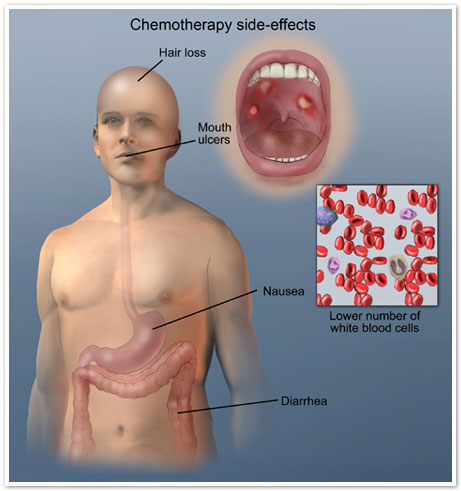
Hair loss is a common side effect of chemotherapy treatment. Our hair loss resource directory provides access to companies that specialize in wigs and wig alternatives for cancer patients.

Cachexia and Anorexia

Unfortunately, different cancer treatment regimens are associated with loss of appetite and, in severe cases, malnutrition and wasting disorders. Learn to recognize the signs of these disorders and where to find help if you begin experiencing them.

Chemo Brain

Chemotherapy is associated with a number of side effects, but lesser known are the effects of chemotherapy regimens on mental capacity- specifically memory. Chemo brain is a memory and cognitive disorder experienced by many patients undergoing chemotherapy. Learn more in this section.

Flu Vaccinations

The immune function can be compromised in mesothelioma cancer patients. For this reason, it is important to take precautions to guard against infections from the flu and other viruses which can exacerbate cancer symptoms. One way to do this is to receive a flu vaccination each year.

Cancer Intimacy Issues

Cancer patients who maintain physical intimacy throughout the diagnosis and treatment phases of the disease can experience significant emotional and physical benefits. Learn about the challenges that cancer patients may face in the area of sexual intimacy and how they can be overcome.


Read more: http://www.mesothelioma.com/treatment/side-effects/#ixzz2AEmqYD1z

Clinical Trials

Clinical Trials
Studies of promising new or experimental therapies in patients are known as clinical trials. During a course of treatment for lung cancer, the doctor may suggest that a patient take part in a clinical trial of a new treatment. A clinical trial is only done when there is some reason to believe that the treatment being studied may be of value to the patient. Treatments used in clinical trials are often found to have real benefits.

Clinical Trial Phases

There are three phases of clinical trials in which a treatment is studied before the treatment is eligible for approval by the FDA (Food and Drug Administration).
The purpose of a Phase I study is to find the best way to give a new treatment and how much of it can be given safely. Physicians watch patients carefully for any harmful side effects. The research treatment has been well tested in laboratory and animal studies, but the side effects in patients are not completely predictable.
Phase II trials determine the effectiveness of a research treatment after safety has been evaluated in a Phase I trial. Patients are closely observed for an anticancer effect by careful measurement of cancer sites present at the beginning of the trial. In addition to monitoring patients for response, any side effects are carefully recorded and assessed.
Phase III trials require entry of large numbers of patients; some trials enroll thousands of patients. One of the groups may receive standard (the most accepted) treatment, so the new treatments can be directly compared. The group that receives the standard treatment is called the "control group. " For example, one group of patients (the control group) may receive the standard chemotherapy for a certain type of cancer, likemesothelioma, while another patient group may receive another type of chemotherapy that may or may not contain an investigational drug to see if this improves survival. All patients in Phase III trials are monitored closely for side effects, and treatment is discontinued if the side effects are too severe.

Clinical Trial Objectives

Researchers conduct studies of new treatments to answer the following questions:
  • Is the treatment likely to be helpful?
  • Does this new type of treatment work?
  • Does it work better than other treatments already available?
  • What side effects does the treatment cause?
  • Do the benefits outweigh the risks, including side effects?
  • In which patients is the treatment most likely to be helpful?
However, there are some risks. No one involved in the study knows in advance whether the treatment will work or exactly what side effects will occur. That is what the study is designed to discover. While most side effects will disappear in time, some can be permanent or even life-threatening. Keep in mind, though, that even standard treatments have side effects. Depending on many factors, you may decide that a clinical trial may be beneficial in your case.

Participating in a Clinical Trial

Enrollment in any clinical trial is completely up to you. Your doctors and nurses will explain the study to you in detail and will give you a form to read and sign indicating your desire to take part. This process is known as giving your informed consent. Even after signing the form and after the clinical trial begins, you are free to leave the study at any time, for any reason. Taking part in the study does not prevent you from getting other medical care you may need.
To find out more about clinical trials, ask your cancer care team. Among the questions you should ask are:
  • What is the purpose of the study?
  • What kinds of tests and treatments does the study involve?
  • What does this treatment do?
  • What is likely to happen to me with, or without, this new research treatment?
  • What are my other choices and their advantages and disadvantages?
  • How could the study affect my daily life?
  • What side effects can I expect from the study? Can the side effects be controlled?
  • Will I receive treatment in my doctor's office or in one of the large cancer centers?
  • Will I have to be hospitalized? If so, how often and for how long?
  • Will the study cost me anything? Will any of the treatment be free?
  • If I am harmed as a result of the research, what treatment would I be entitled to?
  • What type of long-term follow-up care is part of the study?
  • Has the treatment been used to treat other types of cancers?

ClinicalTrials.Gov - A Service of the U.S. National Institutes of Health

ClinicalTrials.Gov
ClinicalTrials.gov, a primary resource for The Mesothelioma Cancer Alliance, is a registry of federally and privately sponsored clinical trials that are currently being conducted in the United States and 173 other countries around the world. The site was developed by the U.S. National Institutes of Health in collaboration with all NIH Institutes and the FDA following the Food and Drug Administration Modernization Act of 1997. ClinicalTrials.gov provides clinical trial information for a wide range of diseases including mesothelioma. The types of data reported on the site includes each trial’s objective, whether or not participants are being recruited, progress updates, locations, contact information and more.

Active - Recruiting

View active clinical trials that are currently recruiting and enrolling study participants.

Active - Not Recruiting

View clinical trials that are currently underway but no longer enrolling participants.

Completed

View information about clinical trials that have concluded and are considered closed.
Source
National Cancer Institute - Mesothelioma Trial Results
http://www.cancer.gov/clinicaltrials/results/mesothelioma


Read more: http://www.mesothelioma.com/treatment/clinical-trials/#ixzz2AEmhx56m

Mesothelioma Charities


There are a number of mesothelioma research initiatives underway that are funded not only by medical and educational institutions, but also by charities dedicated to the defeat of mesothelioma and cancer in general. Research in this area is still evolving but great advances are being made, in large part, due to the support of these organizations. Below are a few of the better-known mesothelioma research initiatives and charities.

Mesothelioma Applied Research Foundation

The Mesothelioma Applied Research Foundation, more commonly referred to as MARF, is a non-profit national organization dedicated to lobbying for and funding mesothelioma research initiatives. In addition to funding initiatives and research projects, MARF also seeks to connect patients with cancer specialists and mesothelioma programs at the nation’s leading cancer centers. Another tier of MARF’s mission is advocacy for mesothelioma patients in the form of federal and state-level lobbying efforts.

International Mesothelioma Program

The International Mesothelioma Program is a joint initiative of the Brigham and Women’s Hospital, the Dana Farber Cancer Institute and Harvard University School of Medicine. Led by the esteemed Dr. David Sugarbaker, the IMP is at the forefront of all leading mesothelioma treatment research and practice. Combining a holistic treatment and support program, the IMP has made tremendous strides in surgical treatment for early-stage mesothelioma diagnosis as well as aggressive chemotherapy treatments for later-stage disease.

National Cancer Institute

The National Cancer Institute is part of the National Institute of Health, one of 11 agencies currently operating under the umbrella of the Department of Health and Human Services. In addition to research conducted in its own clinics and laboratories, the NCI supports and coordinates research projects through cancer centers, hospitals, and universities, while also being the primary federal entity responsible for disseminating information about cancer. Mesothelioma research is among the many projects and initiatives being conducted by the institute.

American Cancer Society

The American Cancer Society is a nationwide network of community based, voluntary health organizations committed to the research and defeat of cancer. While the ACS is headquartered in Atlanta, Georgia and offers services through 9 regional chapters, the organization works in concert with international health organizations to carry out strategic initiatives across the globe. The ACS cooperates with and encourages coordination among cancer specialists and doctors throughout the country in the fight against malignant mesothelioma. They also support research to learn more about the causes of the disease.

LUNGevity Foundation

LUNGevity is primarily a lung cancer advocacy and awareness initiative with a singular stated goal to “Stop Lung Cancer Now.” LUNGevity understands that advancements in lung cancer research and investment into lung cancer initiatives is a national priority and may have ramifications for the advancement of similar mesothelioma projects. Many drugs researched for use among lung cancer patients have been successfully applied to the treatment of malignant mesothelioma and other carcinomas. LUNGevity also provides mesothelioma and non-squamous small cell lung cancer community support forums.

Cancer Hope Network

The Cancer Hope Network is a community of support resources for cancer patients and their families. Among the support resources offered are one-on-one interactions with former cancer patients who can empathize with patient struggles and answer difficult questions both for patients and their families. The Cancer Hope Network has flourished through Internet interaction and now features a full-scale social network, “HopeNet.”

Asbestos Disease Awareness Organization (ADAO)

ADAO (Asbestos Disease Awareness Organization) is an independent organization dedicated to raising awareness about the harmful effects of asbestos exposure. Their goal is to provide a voice for asbestos victims, to unite those who have been affected by an asbestos-related disease through community forums and to support research in the areas of asbestos disease prevention, early detection and improved treatment methods.

Miles for Meso

Miles for Meso supports mesothelioma awareness and research through 5K races and fun runs/walks . These events take place throughout the country and proceeds are donated to the Mesothelioma Applied Research Foundation. The generosity of both participants and sponsors has helped raise awareness about the dangers of asbestos and unite communities in the fight against mesothelioma.
Sources:
Mesothelioma Applied Research Foundation
http://www.curemeso.org
National Cancer Institue
http://www.cancer.gov
American Cancer Society
http://www.cancer.org
Asbestos Disease Awareness Organization
http://www.asbestosdiseaseawareness.org/


Read more: http://www.mesothelioma.com/mesothelioma/charities/#ixzz2AEmV7msM

Media Gallery


Welcome to our Media Gallery page. We have prepared this compilation of our illustrations and infographics on one page for your easy reference. Please feel to view these media references. If you would like to use any of these media presentations on your website simply click on the image. There you will find the appropriate code to paste into your web pages. We hope that you find this information to be a helpful and valuable resource.

Illustrations

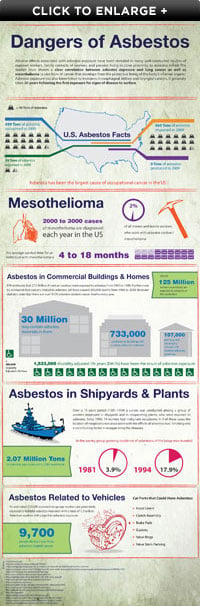
Infographics

Ebooks

Mesothelioma: From Discovery to Treament Ebook

Mesothelioma: From Discovery to Treatment

This short ebook offers insight into the history of mesothelioma, current treatment options, and the prognosis for patients.


Read more: http://www.mesothelioma.com/media/#ixzz2AEm9vT21

Mesothelioma Pictures


Types of Mesothelioma

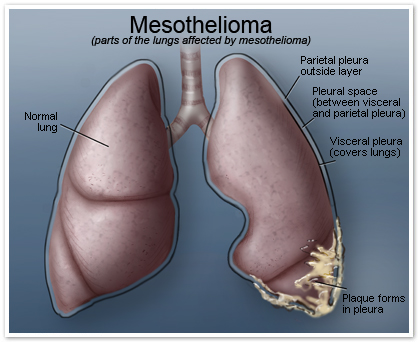
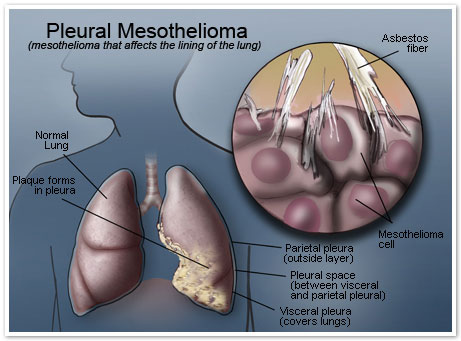
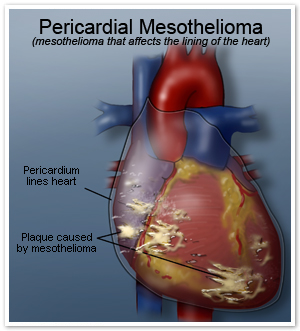
As mesothelioma is a rare disease, it is often difficult to describe its various facets through words alone. For this reason, we have compiled a variety of mesothelioma pictures to provide our visitors with a better understanding of the disease, its causes, and how it manifests. Mesothelioma is an asbestos-related disease that occurs in the mesothelium, a thin layer of cells that lines the body’s internal organs. Below, you will see that there are three types of mesothelioma- pleural, peritoneal and pericardial. The most common form of mesothelioma is the pleural variety, where the disease inhabits the lining of the lung. Peritoneal mesothelioma can be detected in the body’s abdominal cavity. The third type of mesothelioma is pericardial, which accounts for only 10% of diagnosed cases and originates in the lining of the heart. Click on any of the pictures below for more details.

Mesothelioma Treatments

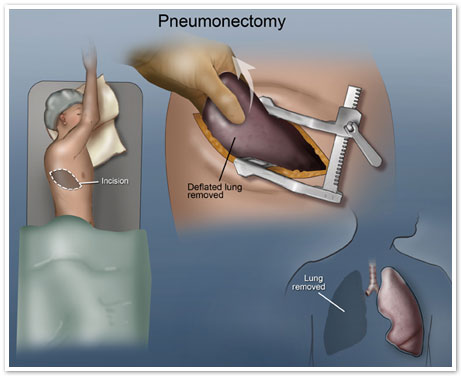
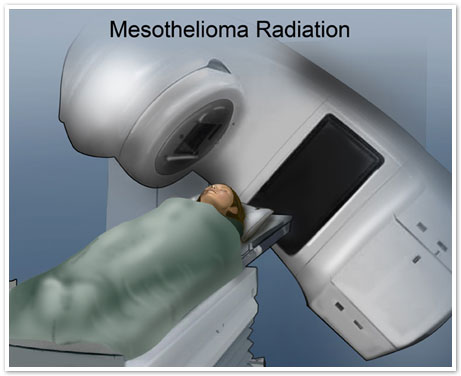
The treatment approach to mesothelioma can involve various methods. Conventional treatments include surgery, chemotherapy and radiation. These treatments are offered at many of our country’s top cancer centers. Click any of the following for more details

Mesothelioma and Asbestos

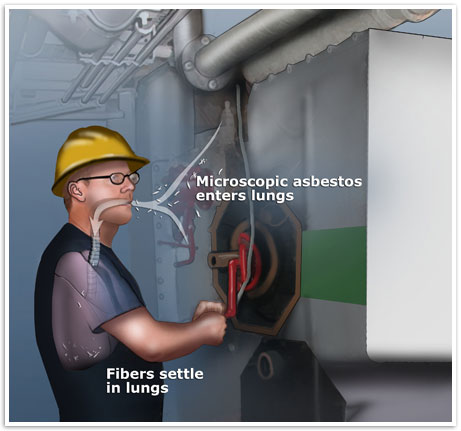
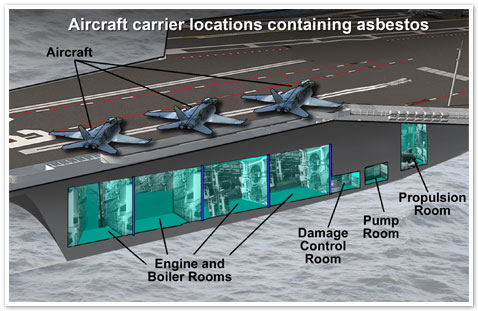
Mesothelioma is known to be caused solely by exposure to asbestos. Once coined a ‘miracle material,’ asbestos has been widely used for its resistance to fire and temperature extremes. The danger of asbestos inhalation could be found in a variety of industries and is especially prevalent among US Military veterans. Click the images below for more information regarding asbestos inhalation and naval ship exposure.


Mesothelioma Information


Mesothelioma Information
As with any disease or health condition, mesothelioma researchers have, over time, collected statistical information about mesothelioma. These statistics can help us learn about the proclivities of the disease and its incidence and potentially help future patients as we learn more about mesothelioma.

How Common is Mesothelioma?

New cases of mesothelioma are diagnosed in between 2,500 and 3,000 Americans each year. These numbers, while significant, would indicate that mesothelioma is still a relatively rare disease, though incidence is expected to rise in the next decade according to projections.

What is the Typical Age at Diagnosis?

The first diagnosis of mesothelioma typically occurs in men and women between the ages of 50 and 70 years. Mesothelioma patients, certainly, have been diagnosed at ages younger than 50 and older than 70, but diagnoses for those age groups are considered statistical anomalies.

Does Mesothelioma Occur in a Particular Sex or Racial Demographic More than Another?

Mesothelioma is much more common in men than women, due mostly to occupational asbestos exposure being more common among men of industrial labor sites. That is not to say, however, that women cannot be diagnosed with mesothelioma. In fact, recent evidence suggests that mesothelioma incidence in women may rise in the coming years as secondary exposures to asbestos can manifest in the form of a positivemesothelioma diagnosis. Also of note is that mesothelioma is much less common among African Americans than in Caucasians, the reasons for which researchers are still investigating.

What are Typical Patient Survival Rates Following a Mesothelioma Diagnosis?

As mesothelioma is often diagnosed in its advanced stages, the mesothelioma prognosis is sometimes poor with life expectancy being little more than a year following diagnosis. If diagnosed early enough however, patient prognoses increase dramatically. Patient survival rates are often contingent on the treatments available to the particular patient. In early mesothelioma stages, tumors eligible for mesothelioma surgery and will result in improved prognoses over those who are diagnosed with stage 3 mesothelioma or stage 4 mesothelioma. As new and alternative mesothelioma treatments are researched and employed in the future, it is realistic to anticipate an improvement in patient survival rates.

Other Mesothelioma Information

Mesothelioma Latency Period

Typically, there is a great deal of time between an individual's exposure to asbestos and the development of asbestos-related health complications. Mesothelioma is associated with a long-latency period (often 20-50 years) after exposure. Over a long period of time, lodged asbestos fibers slowly inflame the lung's external tissue, often serving as a pre-cursor to the development of malignant mesothelioma.

Adult Mesothelioma

Mesothelioma is most common in adults. Adults who have asbestos exposure history are typically those most at risk for the development of malignant mesothelioma. It can take many years for those exposed to asbestos exposure to exhibit the effects of exposure and, as such, mesothelioma is most often diagnosed in older individuals, often up to 40 years following exposure.

Child Mesothelioma

Childhood diagnosis of malignant mesothelioma is extremely rare, although it has been documented. Mesothelioma is known only to be caused by exposure to asbestos and takes many years following exposure to asbestos to manifest in adults. Generally speaking, childhood mesothelioma is considered to be unrelated to asbestos exposure.

Mesothelioma and Women

Many women that have been diagnosed with mesothelioma had no direct exposure to asbestos from working in industrial job settings. Instead they discover that they are victims of second-hand asbestos exposure that occurred while washing their husband's clothes that came home from work with asbestos fibers on them.

Mesothelioma Prevention

Mesothelioma is known only to be caused by exposure to asbestos, a naturally occurring fibrous mineral that was used for many years as an industrial insulation component. As such, the best mesothelioma prevention is the avoidance of exposure to asbestos. However, in recent years, physicians and cancer specialists have been developing a mesothelioma vaccine that will arm the body's immune system with cancer fighting anti-bodies and antigens in those who are at risk for the development of mesothelioma.

Mesothelioma Vaccine

Recent studies by researchers in the Netherlands have found promising results in preventative therapies for mesothelioma. Using cancer-fighting antigens within the body's immune system, mesothelioma patients have responded positively in most cases when treated with the mesothelioma vaccine. The hope is now that this therapy can be applied to those who may be at risk of developing mesothelioma in the future, particularly those who have been exposed to asbestos but have yet to develop asbestos disease.

Medical Timeline

Historical timeline containing important facts and developments related to the manufacture and use of asbestos and documented cases of mesothelioma cancer and other asbestos related diseases.

Mesothelioma Misspellings

The word “mesothelioma” is often misspelled by people searching on the internet for information about this asbestos cancer. In this section we list some of the most common misspellings that we have seen individuals use in their internet searches for mesothelioma.

Mesothelioma Misconceptions

There are several common myths and misconceptions about mesothelioma. Learn more about what the true facts are about this asbestos-related disease.

Mesothelioma Disease

Mesothelioma cancer is a rare disease that attacks the cells of the tissue that lines the body cavity called the mesothelium. It’s only known cause is exposure to asbestos fibers.

Where Can I Find More Information?

We urge those seeking more mesothelioma information to complete the brief form on this page. The Mesothelioma Cancer Alliance will rush you a comprehensive mesothelioma and asbestos exposure information packet. In our packet you’ll find information about cutting-edge treatments, leading mesothelioma cancer center programs, and legal options you may have if you were exposed to asbestos. Act now and find out more today!
Source
National Cancer Institute - Mesothelioma: Questions and Answers
http://www.cancer.gov/cancertopics/factsheet/Sites-Types/mesothelioma


Read more: http://www.mesothelioma.com/mesothelioma/information/#ixzz2AElo0Ujl

Mesothelioma Prognosis


Mesothelioma Prognosis
What factors help determine a mesothelioma prognosis?
When an individual is diagnosed with mesothelioma or any other kind of cancer, one of the first questions they will have is “How long do I have to live?” This is a scary question - and a hard one to ask - but one for which most cancer patients will eventually seek an answer.
It is often very difficult for oncologists and members of a patient’s medical team to give a definitive answer to this query. Indeed, every case is different and cancer can be an unpredictable disease. Sometimes, cases that look hopeless turn out to be not so bleak. In other cases, cancers that don’t look so bad progress quickly and result in an untimely death.
Overall, the prognosis has been rather grim for mesothelioma patients during these past few decades. Malignant mesothelioma is extremely aggressive and has a long latency period. Hence, cases are usually not detected until the disease has reached the advanced stages of cancer. As a result the prognosis for such patients is often not favorable; the mesothelioma survival rate following diagnosis is usually just a year or two. That doesn’t mean, however, that there won’t be exceptions and that this dour outlook will not change in years to come, especially as more and better treatments are developed.

Determining Prognosis

Currently, a number of different issues determine the mesothelioma patient’s prognosis. These include:
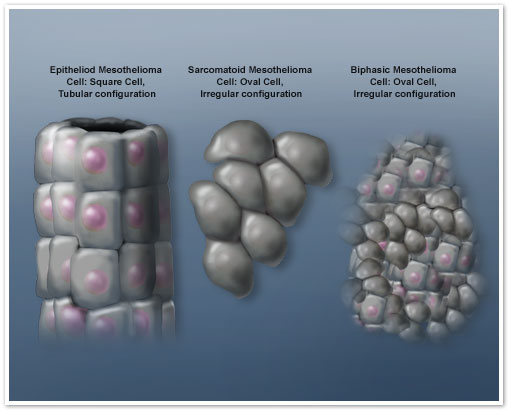
Type - Mesothelioma is classified as one of three types, depending on the tissues involved. The epithelial type accounts for about 50 percent of all cases,sarcomatoid mesothelioma is seen in 15 percent of diagnosed patients, and 35% have the mixed type of the disease. Those with epithelial mesothelioma have a better survival rate than the other types.
Location - Mesothelioma is also classified on the basis of location. For example,pleural mesothelioma, which attacks the lining of the lung, is the most common, accounting for approximately 8o percent of all cases. Those with this type of cancer have the best rate of survival. Peritoneal mesothelioma, found in the lining of the abdomen, is the next most common and is diagnosed in about 10 -15 percent of mesothelioma victims. It is generally harder to treat. Less common types are very difficult to treat, including pericardial and testicular mesothelioma.
Stage of the disease - The prognosis for mesothelioma cancer depends on how early the disease is diagnosed and how soon treatment can begin. Because of the disease’s extended latency period, it is often not diagnosed until it has reached Stage 3 or 4, when mesothelioma symptoms finally appear. Sadly, many of these symptoms are common to a wide range of respiratory diseases including many that are less serious, like the flu or pneumonia. This often results in misdiagnosis.
Metastasis - When a mesothelioma diagnosis is finally made, oncologists will often find that the cancer has spread - or “metastasized” - from the location of the primary tumor - usually the pleura - to other parts of the body, often to the nearby organs as well as the lymph nodes. The extent of the metastases will determine what type of treatment is recommended as well as the prognosis.
General health of the patient - Simply put, younger and stronger patients with mesothelioma live longer than those of advanced age who have extant health problems. Seniors are often dealing with issues like heart disease, diabetes, and high blood pressure, making mesothelioma surgery as well as traditional cancer treatments much more risky and severely limiting treatment options.

Additional Mesothelioma Prognosis Factors

Mesothelioma Life Expectancy

Life expectancy for those diagnosed with malignant mesothelioma depends on a number of factors including, general patient health, cancer stage at diagnosis, and the eligibility of the patient for certain treatment options. Those diagnosed with early stage cancer and in generally good health will have a more favorable prognosis than those diagnosed with later-stage disease.

Mesothelioma Survival Rate

Most survival rates for cancer are quoted in regards to what is commonly known as the relative five-year survival rate. This indicates the number of patients who are still alive five years after they are diagnosed with the disease. Currently, the five-year survival rate for mesothelioma victims is just 10 percent. Though this seems like a grim number, it is indeed higher than it was about 10 years ago and much higher than it was 20-30 years ago.
The current one-year survival rate for mesothelioma patients is about 40 percent. This has also increased significantly in the last 10 years. Unfortunately, however, the prognosis for most mesothelioma patients remains poor overall. Many still die less than a year after diagnosis, with the average survival rate being 10-11 months, according to the American Cancer Association.

Mesothelioma Remission

Mesothelioma is one of the most aggressive types of cancer and can quickly metastasize from its origin into the lungs, abdominal cavity, and lymph nodes. As a result, very few mesothelioma patients go into remission. However, if treated properly and early enough, many patients have been able to extend survival rates long beyond previous expectations. Treatment options include surgical resection, chemotherapy, and mesothelioma radiation.

Mesothelioma Survivors

While there is currently no cure for mesothelioma, many patients have had success in managing their cancer with not only traditional treatments like chemotherapy and surgical methods, but also through the use of nutritional supplements, palliative therapies, and body-stress reduction techniques. Some patients diagnosed with mesothelioma have survived many years after what was an initially unfavorable prognosis.

Improving the Mesothelioma Prognosis

During the last decade, the plight of mesothelioma sufferers has gained more attention and more research dollars have been funneled towards the study of this disease and the discovery of new and novel drugs and treatments to provide more hope of a better prognosis for the mesothelioma sufferer.
Scientists have been working on new tests that strive to diagnose the disease at an earlier stage. For example, the Mesomark® assay is a simple blood test that measures the rate of Soluble Mesothelin-Related Peptides (SMRP) in the blood. This biomarker is released by mesothelioma cells into the bloodstream and SMRP can be elevated for many years before symptoms appear and an actual diagnosis of the disease is made. This tool for early diagnosis could potentially save hundreds of lives.
Treatments with new chemotherapy drugs like Alimta® and procedures that deliver more targeted radiation to the tumor have also helped to add to a mesothelioma patient’s life expectancy. In addition, experimental treatments such as immunotherapy, gene therapy, and photodynamic therapy have shown some success in treating this difficult disease.
Each new step in the field of mesothelioma research improves the mesothelioma prognosis little by little and provides additional hope for mesothelioma-affected individuals and their loved ones.
Source

Mesothelioma Stages

Mesothelioma Stages
How is mesothelioma staged?
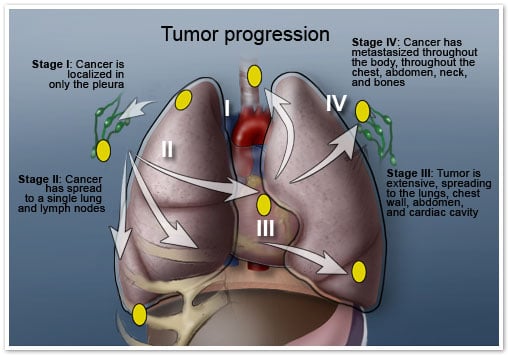
Mesothelioma stages are the assessment levels that doctors utilize to determine the extent of the cancer within the body. Mesothelioma is staged between 1 and 4, depending on severity. Stage 1 mesothelioma, for instance, is highly localized disease, with the tumor affecting only a limited area and organ tissue. Stage 4 cancer, on the other extreme, is extensive disease, which has spread far beyond the tumor’s origin, affecting other organ tissue and even blood or bone cells.
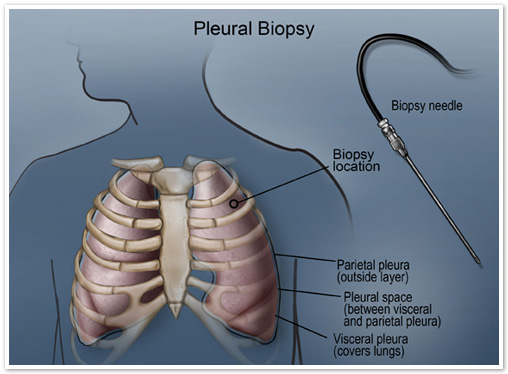
Given how rare mesothelioma is, a formal staging classification exists only for pleural mesothelioma, which affects the lining of the lung and chest cavity. Staging is determined at diagnosis, using any number of diagnostic procedures. Basic staging can be determined through the use of imaging scans, which will provide cancer specialists a visual representation of the extent of the tumor within the body. If the results of imaging scans are inconclusive or it appears that the disease is not localized, a physician may request the patient to undergo a needle or surgical biopsy, which can determine if the malignant cells have metastasized to the blood or lymph nodes through laboratory testing.

Mesothelioma Staging Systems

Today, there are three primary staging systems used to assess how far mesothelioma cancer has spread and each system uses four stages to describe the progression of the disease. It is the definition of each stage within the various systems that can vary slightly.

Butchart Staging System

The Butchart staging system is the oldest and most commonly utilized staging system for mesothelioma. This system is focused on defining the location of the primary tumor mass in the body for each stage. The system doesn’t address how many cancer cells are present, how big the tumor is or the level of cancer present in the body overall.

TNM Staging System

The TNM Staging System, developed by the American Joint Committee on Cancer (AJCC), is similar to staging systems used for other types of cancer. It considers the characteristics of the tumor (T), whether or not lymph nodes are involved (N) and if the cancer has metastasized to other locations in the body (M).

Brigham Staging System

The Brigham Staging System also has four stages of progression and is very similar to the TNM Staging System. The primary difference between the two is that in addition to defining the location of the tumor, and assessing lymph node involvement and the presence of metastatic disease, the Brigham System also helps assess the possibility for and effectiveness of surgical intervention at each stage.

The Stages of Mesothelioma

The four stages of mesothelioma, as noted above, vary slightly within each system but can be generally characterized as indicated below. Please click into the individual pages to get more information about each stage in general and as is it defined within each staging system:

Stage 1 Mesothelioma

In Stage 1 the tumor is localized, there is no lymph node involvement and the cancer has not spread to other organs or tissues. In this case, the cancer is likely restricted to one side of the pleura and surgical removal is possible

Stage 2 Mesothelioma

In Stage 2, the tumor is larger and has invaded the lung or diaphragm. Lymph nodes may also be involved. In this case, surgical resection may be possible though the cancer has likely spread to both sides of the pleura.

Stage 3 Mesothelioma

In Stage 3, mesothelioma has invaded a single region or area such as the chest wall, esophagus, lymph nodes and surgical resection is generally ruled out as an effective treatment.

Stage 4 Mesothelioma

In Stage 4, mesothelioma has invaded multiple regions such as different areas of the chest wall, the diaphragm and/or the pericardium. Lymph glands are also involved and the cancer has spread to other organs. Surgical removal provides no value in this case as the disease has likely metastasized well beyond its origin.
Sources
National Cancer Institute - Stages of Malignant Mesothelioma
http://www.cancer.gov/cancertopics/pdq/treatment/malignantmesothelioma/Patient/page2
David C. Rice. “Staging of Malignant Pleura Mesothelioma: A Guideline for Patients.” www.mdanderson.org


Read more: http://www.mesothelioma.com/mesothelioma/stages/#ixzz2AElPSid8